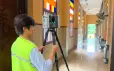

In the era of digital transformation, heritage digitization is becoming an essential trend in the conservation and promotion of cultural heritage. The application of technologies such as 3D scanning, virtual reality (VR), digital data, and artificial intelligence (AI) not only preserves images, structures, and valuable documentation of monuments but also opens opportunities to access heritage in a vivid, modern, and sustainable way. Let’s explore more with 3DScan in the article below.
Why is heritage digitization essential in the digital transformation era?
As comprehensive digital transformation accelerates, cultural heritage conservation must also adapt to new trends. Historical sites and ancient structures are increasingly affected by time, environmental factors, and urbanization, leading to deterioration or the loss of original information.
Heritage digitization uses modern technology to record, simulate, and store all physical, architectural, and artistic information of the heritage site in digital format. This ensures every detail is preserved permanently on digital platforms, supporting management agencies, researchers, and the community in accessing, restoring, or promoting cultural values more effectively.
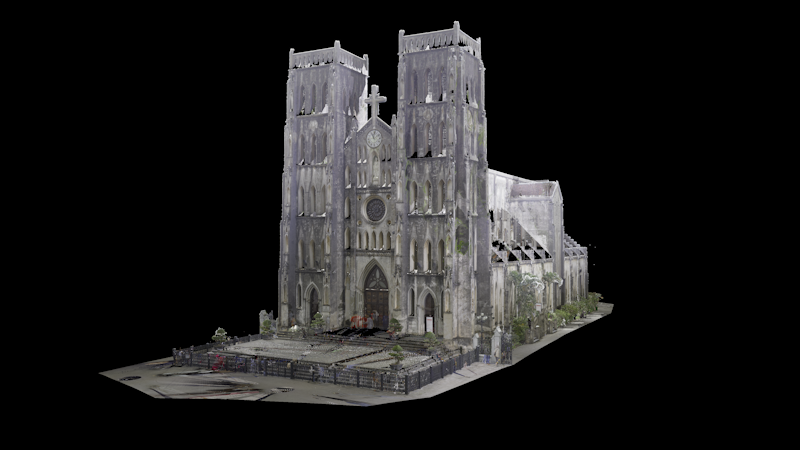
Technologies used in heritage digitization (Laser Scan × UAV)
To ensure effective and highly accurate heritage digitization, selecting the right technology is crucial. Today, the two most advanced and widely applied technologies are 3D Laser Scanning and UAV (drone) surveying. Combining these methods allows comprehensive data collection—from micro-level details to large-scale spatial context—forming a solid foundation for digital modeling and long-term preservation.
3D Laser Scanning Technology
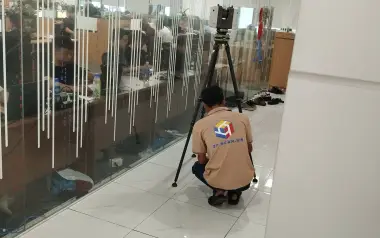
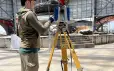
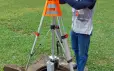
3D Laser Scanning captures millions of data points with millimeter accuracy, recreating the entire structure and geometry of the heritage site in three-dimensional space. This technology is especially valuable for ancient buildings, stone sculptures, temples, and pagodas with intricate details, enabling capture without physical contact.
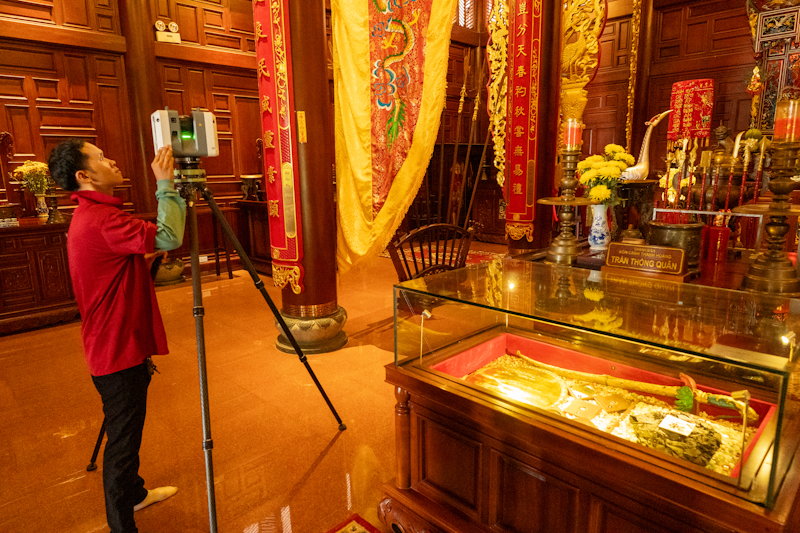
Application of UAVs in data acquisition
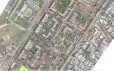
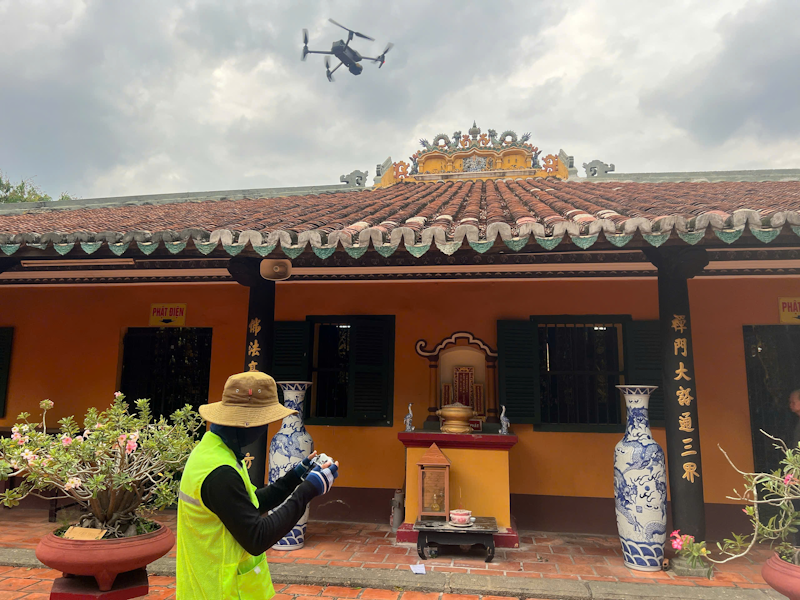
Unmanned aerial vehicles (UAVs/drones) capture aerial imagery and scan large-scale spatial structures, enabling wide coverage 3D maps and models. When combined with Laser Scanning, UAV data adds context and panoramic information—particularly useful for large heritage complexes or complex terrain.
Data integration and processing
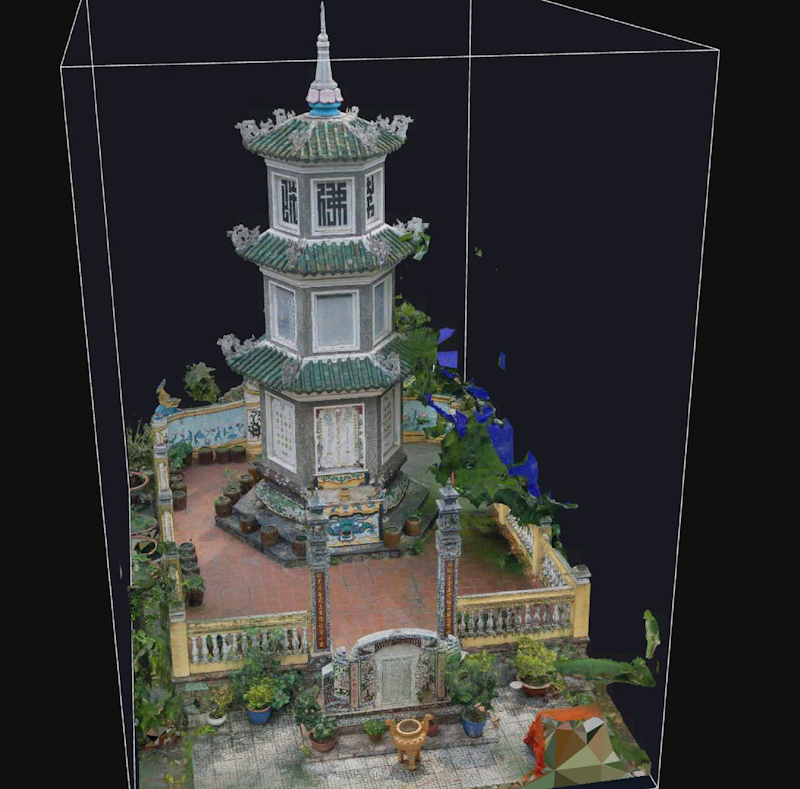
After acquisition, all data from Laser Scan and UAV are processed, aligned, and modeled into a complete 3D model. The resulting dataset can be integrated into BIM, GIS, or digital heritage platforms, supporting management, research, and online exhibitions.
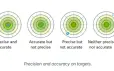
See more: Laser Scan errors: Noise, Accuracy vs Precision
Heritage digitization workflow
To ensure accurate, complete, and practically useful data, the heritage digitization process must follow a scientifically structured workflow, combining field surveys, technological acquisition, and digital modeling. Each stage requires close coordination between conservation experts, technology engineers, and heritage management units.
Site survey and current-condition data acquisition
Before scanning begins, the technical team surveys the entire heritage area to assess current conditions, terrain, and surrounding environmental factors. This helps determine optimal Laser Scan positions and UAV flight paths to ensure full coverage of the area to be digitized.
This stage supports detailed technical planning, minimizing errors and optimizing on-site execution time.
Laser scanning and imagery processing
Following the survey, specialists perform 3D Laser Scanning at fixed positions to capture detailed surfaces, structures, and decorative elements of the monument.
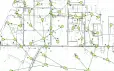
Simultaneously, UAVs capture aerial imagery and spatial data, generating comprehensive panoramic datasets. All information is synchronized into a high-accuracy point cloud—the core input for 3D modeling.
3D modeling and data verification
From the point cloud, specialists use dedicated software to model the heritage structure in 3D, accurately reproducing shapes, proportions, and colors.
Verification and comparison with actual site measurements ensure all deviations remain within acceptable tolerances. This stage determines the scientific and conservation value of the final model.
Finalization and deliverables
After verification, the 3D model, technical drawings, digital database, imagery, and analysis reports are compiled into a complete handover package for the management unit or investor.
All datasets can be integrated into heritage management systems, digital platforms, or online exhibitions, supporting long-term preservation, research, and cultural tourism.
Deliverables in a heritage digitization project
Upon completion of heritage digitization, the deliverables serve as a comprehensive digital archive preserving the monument’s imagery, structure, and condition accurately for long-term conservation, research, and cultural tourism development. Each deliverable holds significant value, contributing to professional, digital-based heritage management.
Key deliverables often include:
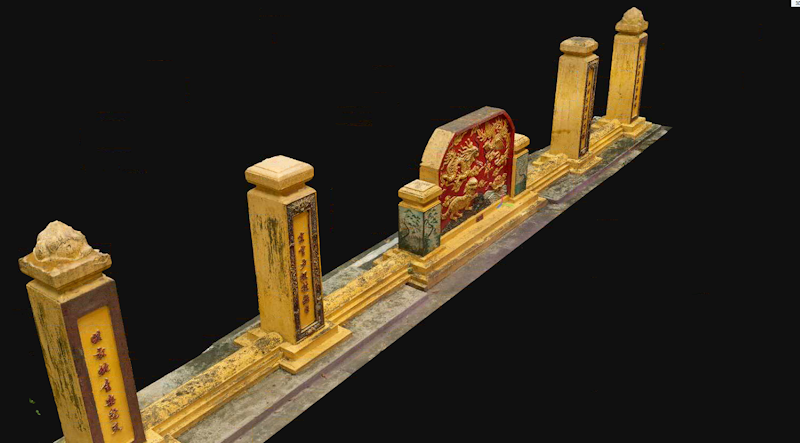
- Detailed 3D models: Reconstructing architecture, objects, and the surrounding landscape with high accuracy. These models can integrate into VR/AR platforms for virtual tours, research, or online exhibitions.
- Digital technical drawings (2D, 3D, BIM): Extracted from scanned data, illustrating floor plans, sections, and structural details. This is critical for restoration, reconstruction, and technical evaluation.
- Digital databases: Including high-resolution images, point clouds, spatial maps, and condition reports. All datasets are centrally stored for easy access and sharing across multiple heritage sites.
- Technical reports and conservation recommendations: Summaries of surveying procedures, modeling, and condition analysis. These support restoration planning and scientific-based conservation strategies.
These deliverables are not only technical outcomes but also valuable digital assets supporting sustainable heritage conservation and promoting Vietnamese culture to the world.
Key benefits of heritage digitization
Implementing heritage digitization goes beyond technology—it brings practical value to conservation, research, and cultural tourism. When heritage is stored digitally, management agencies, researchers, and the community can access and utilize the information effectively while ensuring long-term preservation.
Key benefits include:
- Accurate preservation and restoration: Digital data enables reconstruction even when structures are damaged or lost.
- Improved public access: Citizens, tourists, and researchers can experience heritage through digital platforms or VR/AR technologies.
- Enhanced research and management: Experts can measure, analyze, and evaluate heritage remotely with higher accuracy and lower cost.
- Smart tourism development: Digital models and virtual experiences attract visitors, supporting cultural tourism and local economic growth.
Thanks to these advantages, heritage digitization is becoming a crucial tool, bridging traditional heritage preservation with modern tourism and education, paving the way for sustainable cultural development in Vietnam.
See more: LOD Levels in BIM and the role of TLS in ensuring accuracy
Heritage digitization practices in Vietnam
Many provinces in Vietnam have implemented heritage digitization as part of sustainable cultural conservation and digital tourism development. Digitization not only preserves the current state of heritage sites accurately but also provides new channels for public engagement through digital platforms and virtual experiences.
Some notable projects include:
- Thăng Long Imperial Citadel (Hanoi): Fully 3D scanned for scientific research and online exhibitions, enabling remote access for the public.
- Complex of Huế Monuments (Thừa Thiên–Huế): UAV and Laser Scanning applied to document temples, tombs, and auxiliary structures.
- Tràng An Scenic Landscape Complex (Ninh Bình): Full 3D modeling combined with VR experiences for remote exploration and cultural education.
These projects contribute to preserving historical and cultural values while opening opportunities for smart tourism and local economic development, laying the foundation for nationwide digitization initiatives.

Conclusion:
Heritage digitization is not only a technological advancement but also a strategic solution that helps Vietnam preserve and share cultural values with future generations. When heritage data is stored and utilized intelligently, each monument becomes a living archive—preserving memories of the past while opening new opportunities for tourism and education in the digital age. Contact 3DScan today for tailored consultation and detailed quotations for your project!